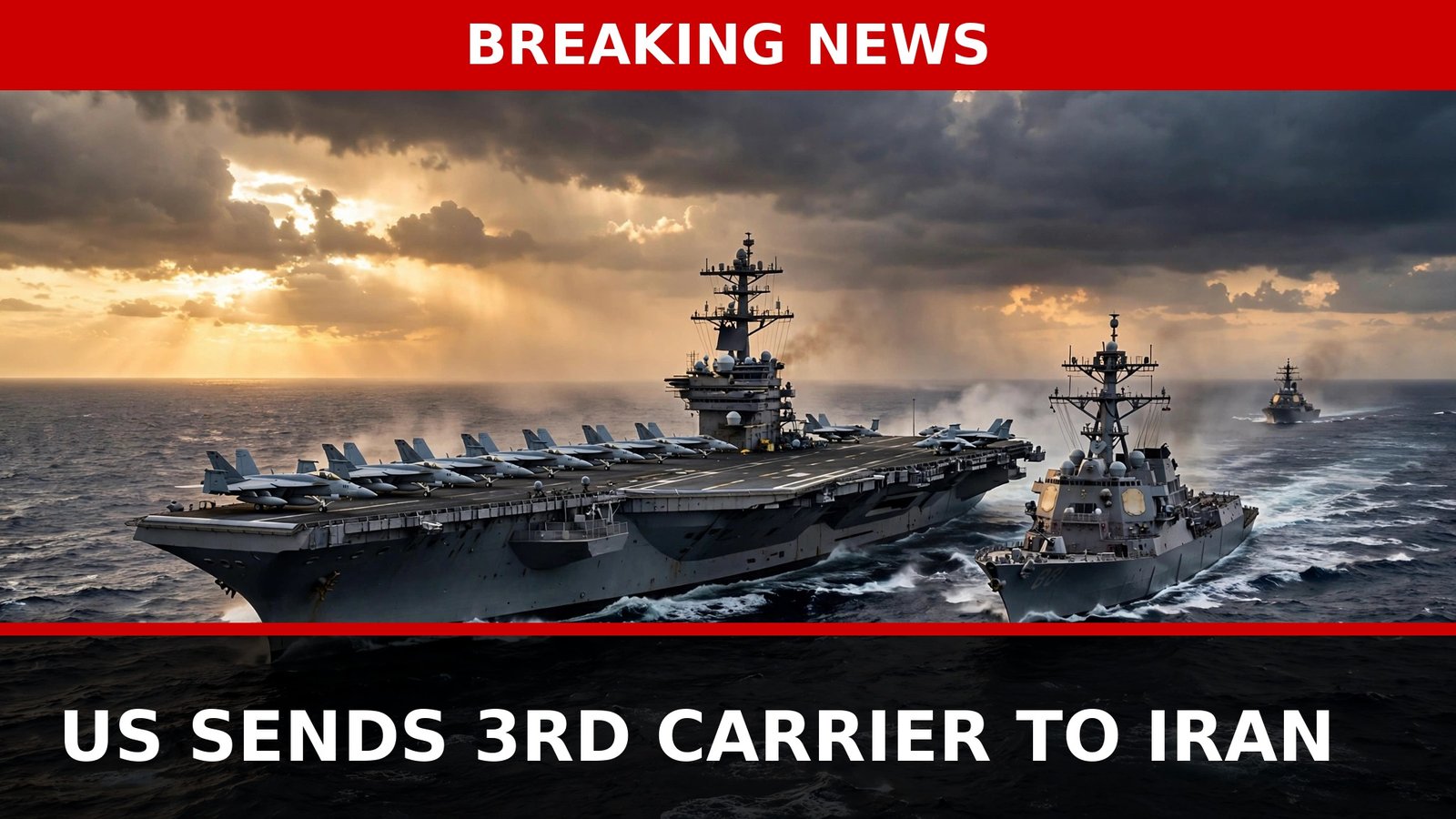
US and Iranian forces have exchanged fire again, and the confrontation widened this week as Iran expanded its attacks on US positions across the Gulf, according to reports on November 19, 2026.
US forces struck a missile launch site on Iran’s Qeshm Island on November 17, after Iran attacked a US radar facility in Bahrain. On November 18, Iran expanded its attacks, targeting a US base in Kuwait and striking Bahrain again.
The back-and-forth marks a sharp escalation in a standoff that has already drawn in countries across the region, and it comes as leaders in the Middle East ramp up efforts to avert an all-out war.
What happened this week
The sequence reported so far is short, fast, and serious. Iran first hit a US radar facility in Bahrain. The US answered with a strike on a missile launch site on Qeshm Island, off Iran’s southern coast. Iran then widened the map, hitting a US base in Kuwait and returning to Bahrain.
That widening is what has alarmed officials and analysts most. A single strike can be contained. Attacks across three Gulf locations in two days look like a deliberate message — and a test of how far the other side is willing to go.
- November 17: US forces strike a missile launch site on Iran’s Qeshm Island.
- Before that: Iran attacks a US radar facility in Bahrain.
- November 18: Iran expands its attacks to a US base in Kuwait and strikes Bahrain again.
- November 19: Middle East nations step up diplomatic efforts to prevent a wider war.
Why it matters
The Gulf is home to US bases, shipping lanes, and energy infrastructure that the whole world depends on. Fighting there does not stay local for long — it moves oil prices, shipping costs, and military planning in Washington, Riyadh, and beyond.
It also lands at a delicate diplomatic moment. President Donald Trump is meeting China’s Xi Jinping and Russia’s Vladimir Putin on Thursday, with nuclear arms and ending the wars in Iran and Ukraine at the top of the agenda. A widening Gulf fight makes those talks harder, and more urgent.
For Americans, the most direct stakes are the troops stationed in the region and the price of fuel and goods if shipping through the Gulf is disrupted.
What happens next
Three things to watch in the next 24 to 48 hours: whether Iran launches another round of attacks, whether the US answers with a larger strike, and whether regional mediators can open a channel to pause the fighting.
Israel has urged strikes on Iran, according to officials cited in reports, while other Middle East nations are pushing hard to avert an all-out war. That split — pressure to hit back versus pressure to talk — will shape what happens next.
We will update this story as new information is confirmed.
Featured image: AI-generated news illustration for Apkwonders News. Sources: reporting summarized November 19, 2026, including SimpleLife News and USCT News.